Natural Wellness Essentials
Explore the principles of holistic well-being, balanced nutrition, and sustainable lifestyle practices
Learn MoreUnderstanding Holistic Wellness
Holistic well-being refers to the interconnected approach to health that considers the whole person: physical, mental, emotional, and spiritual dimensions. Unlike conventional approaches that often focus narrowly on specific symptoms or disease management, holistic wellness emphasizes balance, prevention, and the body's natural capacity for self-regulation.
This perspective recognizes that sustainable health emerges from harmonious lifestyle choices, including nutritious eating, regular movement, stress management, quality sleep, and connection with nature. It acknowledges that small, consistent changes compound over time, creating a foundation for lasting vitality.
The core principle is that wellness is not a destination, but an ongoing practice of making informed, balanced choices aligned with one's individual circumstances and values.

Essential Wellness Principles
Nutrition Foundation
Understanding macronutrients and micronutrients enables conscious food choices that support sustained energy, cognitive function, and physical resilience.
- Balance of proteins, fats, and carbohydrates
- Micronutrient diversity from whole foods
- Individual variation in nutritional needs
Movement & Activity
Regular physical activity supports cardiovascular health, muscular strength, mental clarity, and emotional regulation. Diverse forms of movement serve different wellness goals.
- Cardiovascular benefits
- Stress reduction through activity
- Adaptability to individual capacity
Stress & Sleep
Quality sleep and effective stress management are foundational to recovery, immune function, and emotional well-being. These elements work together to support overall resilience.
- Sleep's role in cellular repair
- Stress reduction techniques
- Daily rhythm alignment

The Role of Nutrition in Daily Life
Nutrition is the foundation upon which physical and mental function depends. Macronutrients—proteins, carbohydrates, and fats—provide energy and building blocks for cellular repair and function. Micronutrients—vitamins and minerals—enable thousands of biochemical reactions that maintain cognition, immunity, and physical resilience.
Macronutrient Balance: A balanced approach includes adequate protein for muscle maintenance, complex carbohydrates for sustained energy, and healthy fats for hormone production and nutrient absorption.
Micronutrient Diversity: Consuming a variety of whole plant and animal foods ensures access to the full spectrum of micronutrients. Different colored vegetables and fruits offer different nutrient profiles.
Individual Variation: Nutritional needs differ based on age, activity level, metabolism, and life stage. What supports one person may require adjustment for another.
Mindful Eating Practices
Developing awareness around food choices extends beyond nutritional content to include the experience of eating itself.
Awareness & Presence
Eating with full attention to flavors, textures, and satiation signals helps distinguish true hunger from emotional eating and promotes better digestion.
Portion & Rhythm
Moderate portions consumed at regular intervals support stable energy levels and reduce the tendency toward overeating or energy crashes.
Emotional Connection
Understanding the connection between emotions and food choices enables intentional decisions rather than reactive consumption during stress or boredom.
Benefits of Regular Physical Activity
Movement is integral to human health, influencing physical capacity, mental clarity, and emotional resilience. Regular physical activity strengthens the cardiovascular system, maintains muscular and skeletal function, and supports metabolic health.
Physical Benefits: Cardiovascular exercise improves heart function and circulation. Strength training maintains muscle mass and bone density. Flexibility work preserves joint mobility and prevents injury.
Mental & Emotional Benefits: Physical activity triggers the release of endorphins and supports neurotransmitter balance, contributing to improved mood, reduced anxiety, and enhanced cognitive function.
Adaptability: Effective physical activity ranges from gentle walking and stretching to vigorous exercise. The key is consistency and alignment with individual capacity and preference.
Stress Management Techniques
Chronic stress impacts physical health, immune function, and emotional well-being. Developing personalized stress management practices supports resilience and overall wellness.
Mindfulness & Meditation
Focused attention practices calm the nervous system, reduce rumination, and enhance present-moment awareness. Even brief daily practice yields measurable benefits over time.
Breathing Exercises
Conscious breathing directly influences the nervous system's stress response. Techniques like diaphragmatic breathing activate the parasympathetic nervous system, promoting relaxation.
Movement Practices
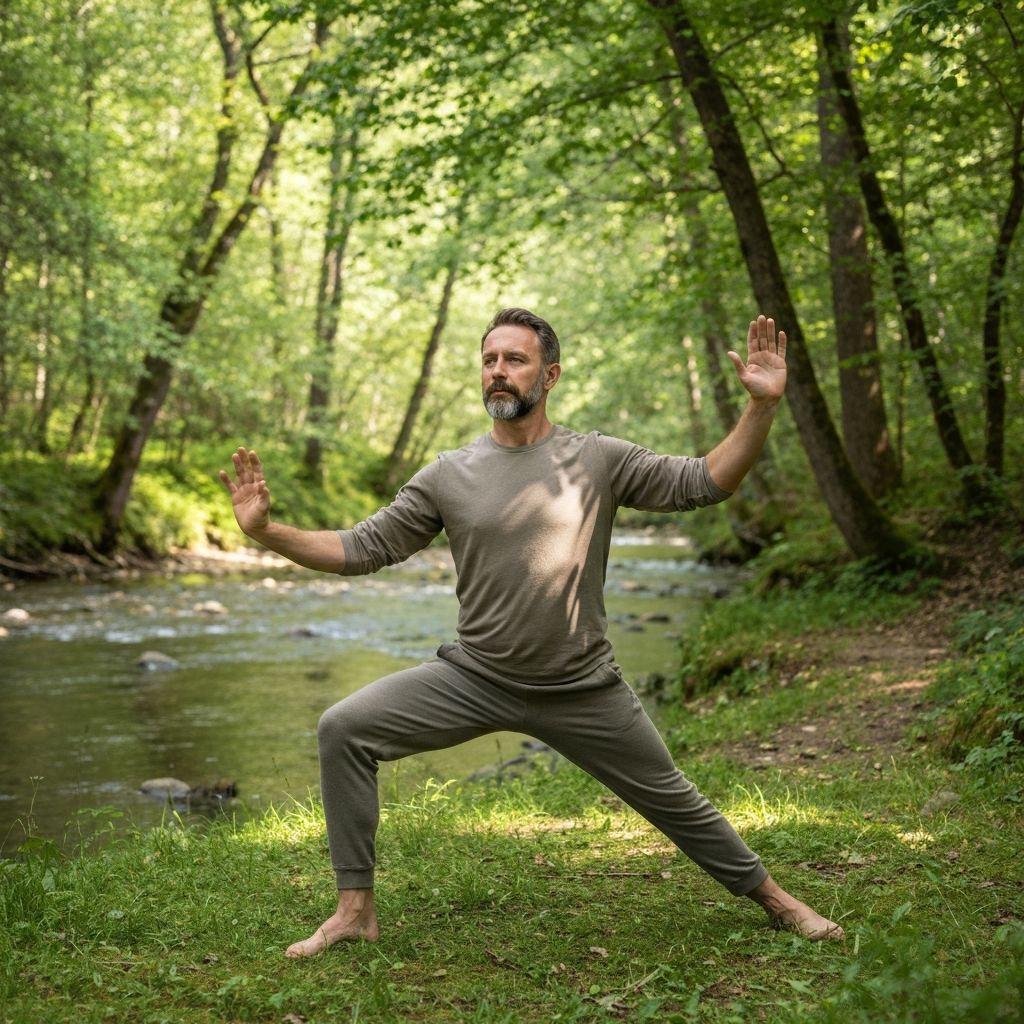
Yoga, tai chi, and gentle stretching combine physical movement with mindfulness, effectively reducing stress hormones while improving flexibility and body awareness.
Nature Connection
Time spent in natural environments reduces stress hormones, lowers blood pressure, and enhances emotional regulation. Regular nature exposure is a powerful wellness practice.

The Importance of Quality Sleep
Sleep is not a luxury but a biological necessity. During sleep, the body undertakes critical repair processes: cellular regeneration, immune system strengthening, memory consolidation, and hormone regulation.
Sleep Cycles: The body cycles through NREM (non-rapid eye movement) and REM (rapid eye movement) stages, each serving specific restorative functions. A complete sleep cycle lasts approximately 90 minutes.
Sleep Deprivation Effects: Insufficient sleep impairs cognitive function, weakens immune response, increases inflammation, and disrupts hormonal balance—all contributing to reduced wellness and increased vulnerability to illness.
Sleep Hygiene Strategies: Consistent sleep timing, cool and dark sleep environments, limiting screens before bed, and managing caffeine and alcohol intake all support better sleep quality and duration.
Natural Support for Vitality
Throughout history, various plant-based compounds have been incorporated into traditional wellness practices. Modern interest in botanical support continues this legacy, grounded in understanding natural chemistry and its interaction with human physiology.

Botanical Chemistry: Plants contain numerous bioactive compounds—alkaloids, polyphenols, terpenoids, and others—that interact with human biology. These compounds have been studied for their potential to support various aspects of health.
Traditional Uses: Many botanicals have centuries of traditional use across different cultures. Modern research now investigates the validity and mechanisms of these historical applications.
General Principles: Botanical support operates on the principle of systemic support rather than isolated pharmaceutical effect. Different plants address different aspects of wellness—some support relaxation, others promote energy, and still others provide nutritional density.
Individualization: Response to botanical compounds varies among individuals based on metabolism, existing conditions, and lifestyle factors. What supports one person may be unnecessary for another.
Hydration Essentials
Water is essential for every biochemical process in the body—from nutrient transport and temperature regulation to joint lubrication and cognitive function. Adequate hydration is foundational to wellness.
Water's Functions
Water facilitates nutrient transport, removes metabolic waste, maintains cellular structure, regulates body temperature, and supports cognitive function and physical performance.
Daily Intake
Individual hydration needs vary based on activity level, climate, and metabolism. General guidance suggests 6-8 glasses daily, though actual needs may differ significantly.
Hydration Sources
Water intake comes from drinking water, herbal teas, water-rich foods (fruits and vegetables), and broths. All contribute to daily hydration goals.
Connecting with Nature
Humans evolved in natural environments. Modern life often distances us from nature, yet research demonstrates that nature contact profoundly supports psychological and physical well-being.
Benefits of Nature Contact
- Reduced stress hormones and blood pressure
- Enhanced mood and emotional regulation
- Improved attention and cognitive function
- Strengthened immune system response
- Increased physical activity and movement
Integration Strategies
- Regular outdoor walks in parks or natural areas
- Indoor plants in living and working spaces
- Nature-based hobbies like gardening or bird watching
- Outdoor meals or breaks during the day
- Weekends or longer periods in natural settings
Building Sustainable Habits
Lasting wellness emerges not from dramatic interventions, but from consistent, incremental changes embedded into daily life. Understanding habit formation supports the development of sustainable practices.
The Habit Loop: Habits consist of a cue, routine, and reward. By identifying existing cues and rewards, you can substitute new routines, making habit formation more effective.
Small Changes, Large Impact: Research in behavioral change demonstrates that small, consistent practices compound over time. A 1% daily improvement yields substantial results over months and years.
Long-Term Vision: Connecting daily habits to a larger wellness vision provides motivation and meaning. Rather than viewing habits as restrictions, frame them as practices that support your values.
Adaptability & Self-Compassion: Habits will occasionally be disrupted. Rather than perfectionism, practice self-compassion and gently return to established routines when life circumstances permit.
Educational Content & Limitations
This content is for educational and informational purposes only. It is not intended as, and should not be interpreted as, medical advice, diagnosis, or treatment recommendations. The information presented reflects general wellness principles and does not constitute personalized health guidance.
Individuals vary significantly in their response to dietary changes, physical activity, stress management techniques, and botanical compounds. What benefits one person may not be suitable for another. Any significant changes to diet, exercise, supplementation, or wellness practices should be discussed with a qualified healthcare professional who understands your individual circumstances.
Educational content only. No promises of outcomes.
Explore further and deepen your understanding of natural wellness principles through informed exploration.
Explore Botanical Reference